
Hybryd Systems

Turning a Bonus Room Into a Home Theater

2026-09-03

East Valley homes rarely have basements, which means the bonus room upstairs, the spare bedroom, or the room over the garage is usually where the home theater actually goes. It works well, once a few things are handled deliberately rather than left to chance.

Start with light, not the screen

The single biggest difference between a bonus room that feels like a theater and one that just has a big TV in it is light control. Arizona sun is intense, and a bonus room often has more window area than an ideal theater room would, since it was designed as a bedroom or flex space, not a media room. Blackout shades are close to mandatory here, not an upgrade; without them, a projector image washes out badly during the day, and even a large-format display looks noticeably better with glare and reflections controlled. See our lighting control page for blackout shade options.

Projector or a large-format display

Bonus rooms fall on both sides of this decision depending on how much you can control the light. A room where shades can fully block daylight is a strong candidate for a projector, which gets you a genuinely large image at a size a TV cannot match. A room that will always have some ambient light, or one that doubles as a playroom or office during the day, usually does better with a bright large-format display. We size either option to your actual seating distance rather than picking a screen size first and working backward. See our home theater page for how we scope this during a room consultation.

Sound behaves differently in a converted room than a dedicated build

A bonus room typically has hard drywall, tile or hard flooring, and a shape that was never designed with acoustics in mind, all of which reflect sound aggressively and hurt dialogue clarity. You do not need to fully treat the room to get a real improvement: even modest acoustic panels on the first-reflection points and a rug on hard flooring make a noticeable difference. Speaker placement matters as much as speaker quality in a room this size, and we design placement around the room's actual dimensions rather than a generic layout.

Cooling load is a real consideration

A bonus room over a garage, common in two-story East Valley floor plans, often runs hotter than the rest of the house even before you add a projector, receiver, and a rack of AV equipment generating heat. We think through equipment placement and ventilation as part of the design, not as a problem to discover after the room is finished and running hot.

Seating and sight lines in a room that was not built for it

A converted bonus room usually cannot fit a true tiered riser the way a purpose-built theater can, but seating layout, screen height, and viewing distance still matter enormously to how the room feels. We work with the room's real dimensions to get the screen size and seating position right, rather than assuming a standard theater layout will simply fit.

One remote for the whole room

Whatever else changes, the room should end with one remote, not four. A Control4 remote handles the projector or display, the receiver, and any streaming or disc sources from a single device, which matters most in a family room that guests and kids will also use. See our smart home automation page.

Frequently Asked Questions

Does a bonus room need to be a dedicated theater, or can it still work as a normal room?

It can absolutely stay multi-purpose. A well-designed media room performs like a theater when it is being used that way and looks like a normal living space the rest of the time, with equipment racked out of sight and speakers built into the ceiling or walls.

Is acoustic treatment worth it in a converted room, or only in a purpose-built theater?

It is worth it in both. Hard drywall and hard flooring, common in Arizona bonus rooms, reflect sound whether the room was purpose-built or not, and even modest treatment measurably improves dialogue clarity and bass.

Can existing equipment be reused in the conversion?

Where it holds up, yes. We tell you plainly what is worth keeping and what is the actual bottleneck in the room, rather than replacing everything by default.
Related Services

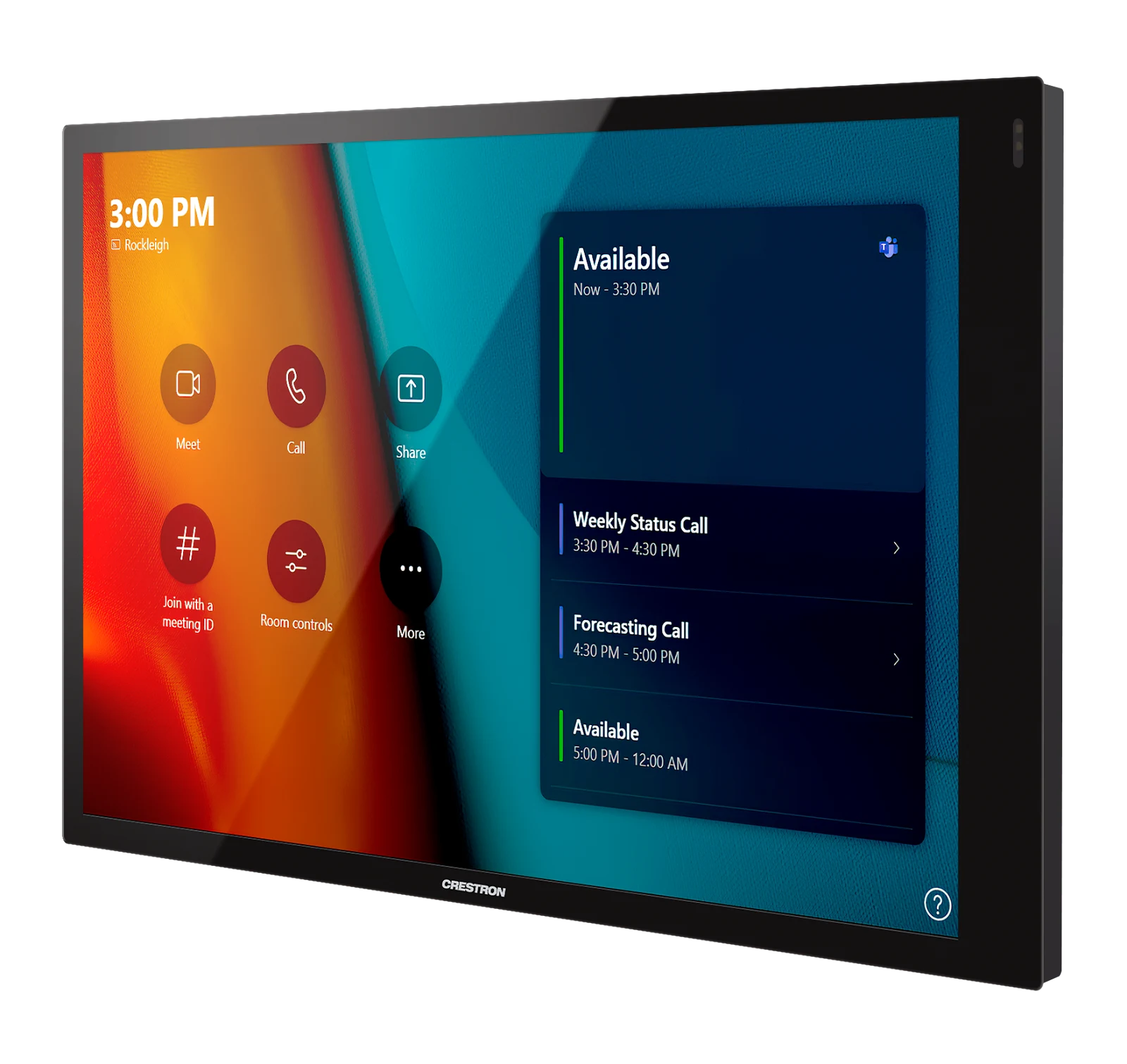
Crestron touch panel

Book a free consultation