
Hybryd Systems

Motorized Shades in Arizona: Battery or Wired, and What Changes the Price

2026-09-29

Battery or wired, and what actually moves the scope from window to window. Here is how we think through motorized shades for an Arizona home.

Why do west-facing windows change the shade conversation?

Afternoon sun through west-facing glass is the hardest hit a room takes anywhere in an Arizona house, and it shows up two ways: a spike in heat right when the house is trying to cool down for the evening, and UV that fades flooring and furniture faster than most people expect. Shades on that glass are less about privacy and more about climate control, dropping ahead of the afternoon load rather than after the room has already heated up. That is why we look at orientation first, before we ever talk about fabric or motor type.

What actually decides motor size?

Motor size is not a style choice, it is a function of how big and how heavy the shade actually is. A wide window or a tall sliding door carries more fabric and a longer, heavier roller tube, which needs a stronger motor to lift it smoothly and quietly for years. A narrow bedroom window can run comfortably on a smaller motor. This gets decided window by window during the site visit, not from a size chart, because two windows that look similar on a floor plan can carry very different loads once the actual fabric and roller are accounted for.

Battery or wired power, how do we decide?

Wired power is the right call whenever the wall is already open, a new build, an addition, or a remodel where the header is exposed, because running power once during construction is simple and the shade never needs attention again. Battery power is what makes shades practical in a finished home where opening a wall is not on the table. Modern shade batteries hold a charge for a long stretch under normal use and recharge easily, so battery is not a compromise so much as the right tool for a different situation. Our lighting and shades page has more on how the two options fit different homes.

Why do shades get measured on site instead of ordered by a room name?

No two windows are identical once you look closely. Opening width and height, whether the shade mounts inside the window recess or on the wall or ceiling above it, and how much clearance the header has for the roller tube all vary window to window, even within the same house. Measuring on site, rather than working from a generic size label, is what keeps a shade from binding, running crooked, or simply not fitting the space it was ordered for.

What actually changes the price, if not the size alone?

Several things move the number more than the window size does on its own. How many windows are involved matters most, since each one is its own motor, fabric, and mount. Wired versus battery power shifts labor differently depending on whether the wall is open or finished. Fabric choice matters too, a light-filtering solar shade that keeps the view is a different scope than a full blackout fabric for a bedroom or theater. Mount complexity plays a role as well, a simple surface mount is more straightforward than a recessed pocket built into a ceiling. And whether the shade needs to join scenes and keypads on a Control4 or Lutron system, instead of running on its own remote, adds a layer of integration work. A real proposal accounts for all of it together, not one factor in isolation.

Is this a whole-house decision, or can I start with one room?

You can start with the rooms that need it most, usually the west-facing primary bedroom or the main living area, and add more later on the same system. Battery shades make it easy to add a room down the road without opening a wall, and wired is worth planning for now if that room is already getting other wiring done. If you want a sense of scope before committing to a full walkthrough, our budget estimator is a reasonable place to start.

Frequently Asked Questions

Are battery shades reliable, or do they need constant charging?

They are reliable under normal use. Battery life is measured in years, not weeks, and recharging is quick and infrequent, closer to charging a phone once in a while than something you have to think about often.

Do wired shades need to be planned before drywall goes up?

Ideally, yes. Running power or control wiring to the header while the wall is open is simple; adding it to a finished wall later is far more involved. Battery shades sidestep this entirely, which is why they are the practical choice in a home that is already built.

Can shades be controlled with the rest of the smart home, or do they need their own remote?

Both are options. As part of a Control4 or Lutron system, shades join the same scenes and keypads as the lighting. They can also run on their own dedicated remote or app if that is all you want from them.
Related Services

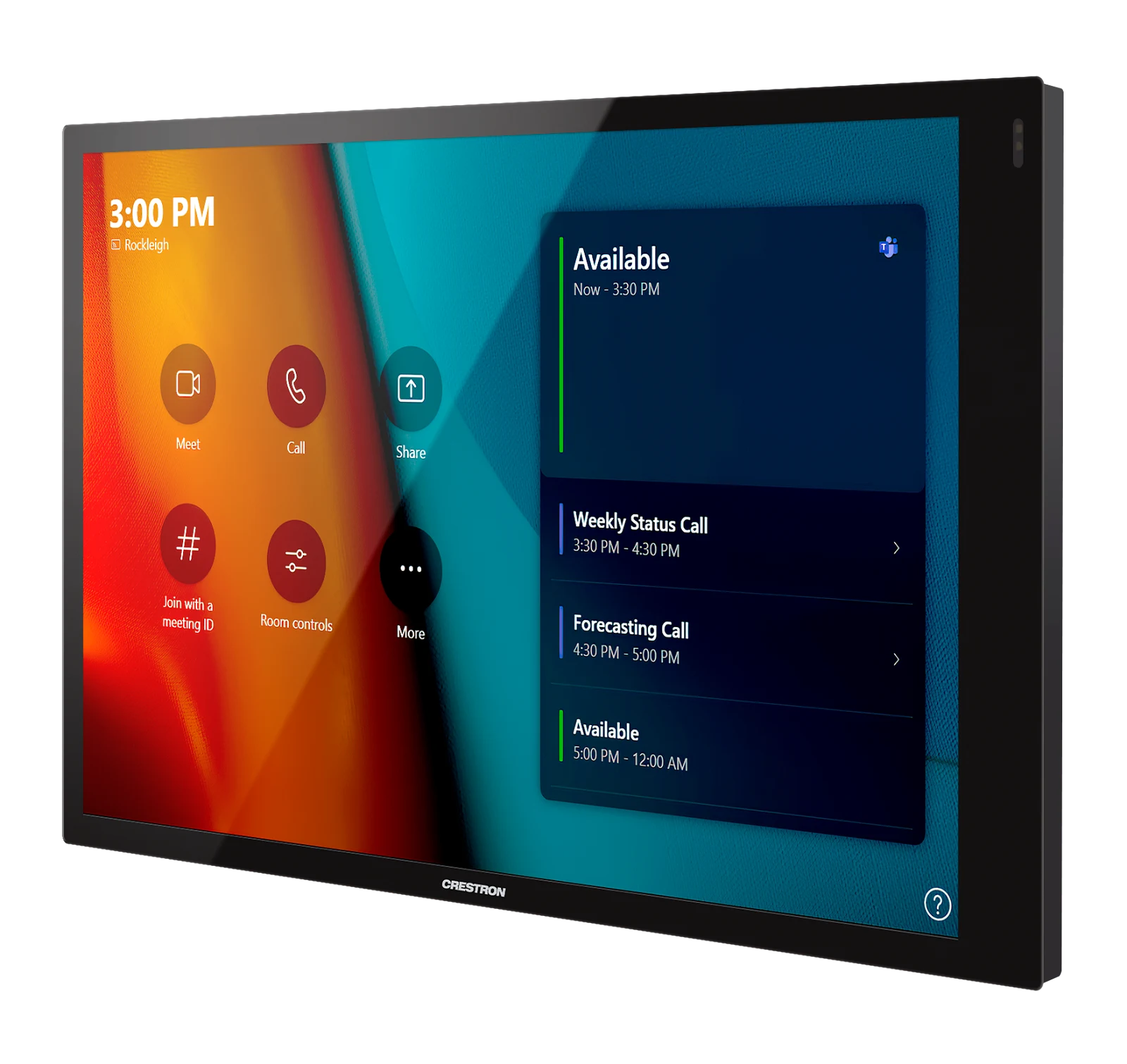
Crestron touch panel

Book a free consultation

Have a question this did not answer?

Ask us directly and we will walk you through it.